Student Experience
Homepage
Success Feed


Tree hugging took on new meaning for a group of biology students who perhaps couldn't wrap their arms around some of BW's majestic trunks but used critical thinking to wrap their heads around why those trees matter.
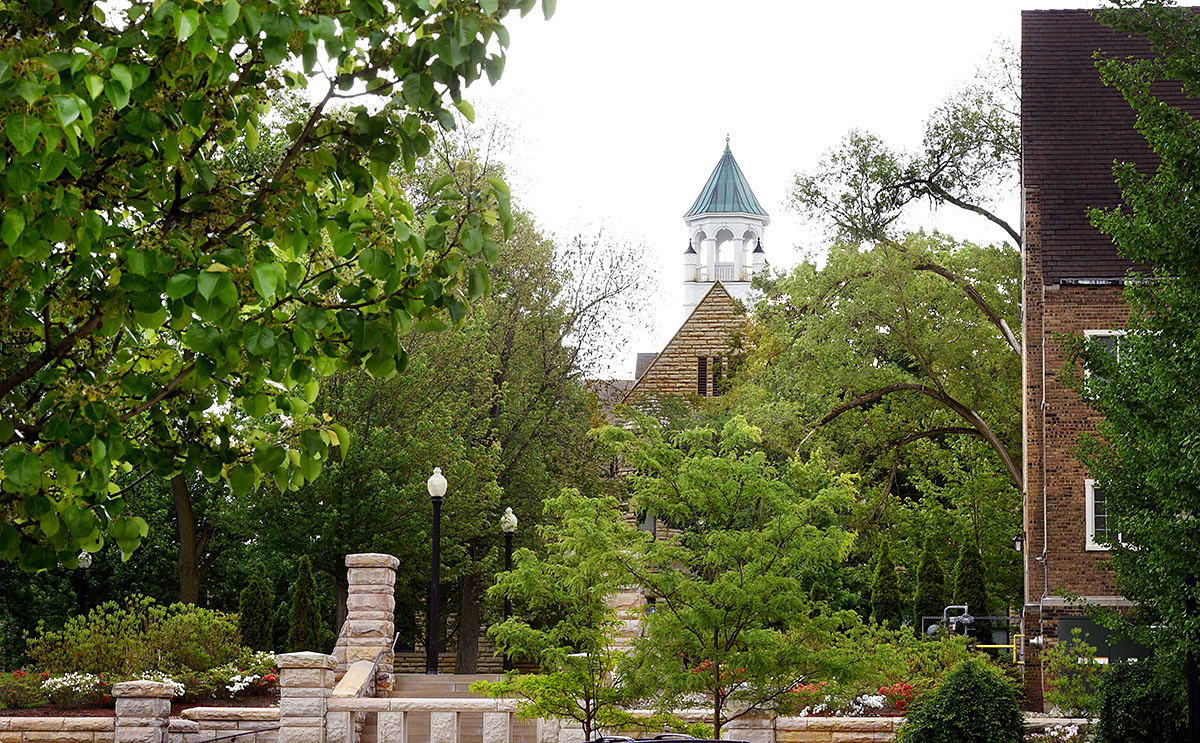
From oak to red maple to dawn redwoods, the trees on campus are more than just shade on a sunny day or a scenic backdrop to BW's picturesque buildings and landscape; they are part of a living lab that reflects environmental health, animal and insect habitat, and climate stability and change.
Dr. Aaron Smith, associate professor of biology, is new to campus this year but not new to plants, research or giving students opportunities to learn through real-world scientific questions.
Students in his botany and introductory biology classes are benefiting from that experience as they connect classroom concepts with field-based research.
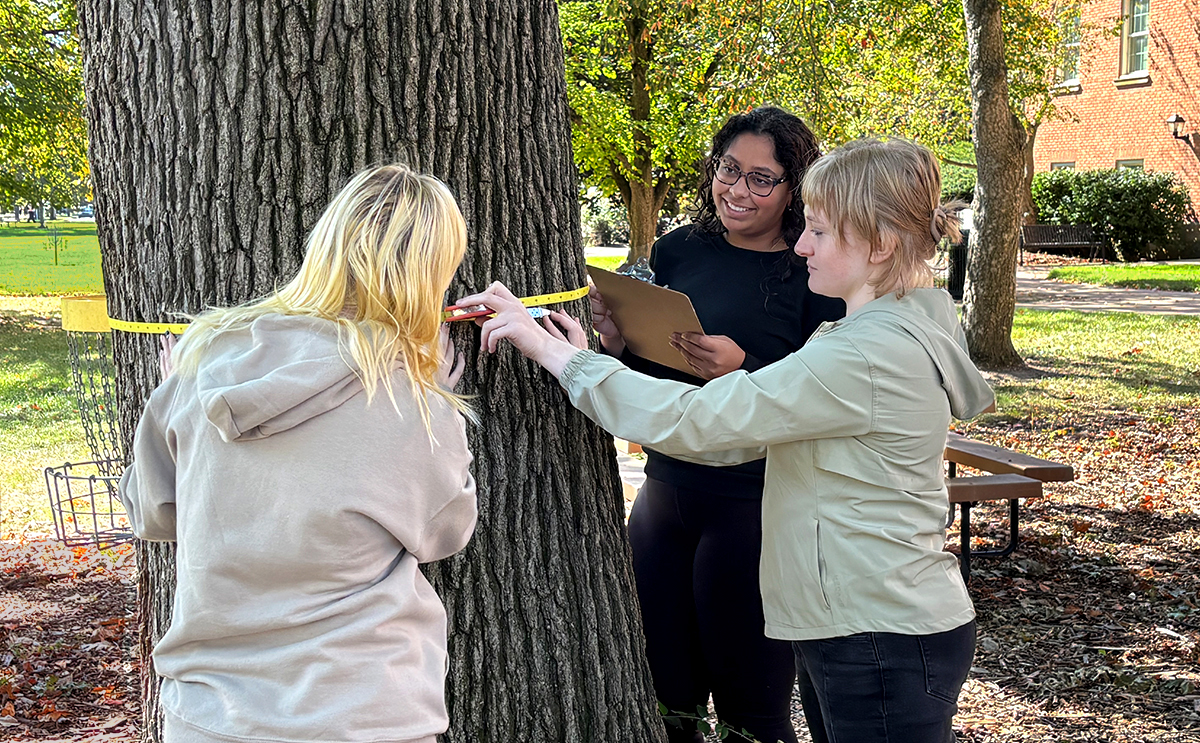
As part of their lab work, they have been measuring trunk diameter, crown dimensions and tree condition for trees within the historic Fullmer Arboretum area of campus, which has served BW for more than a century as a living teaching and research resource.
So far, they have logged data on more than 100 trees, linking those measurements to previous information gathered in 2016 as part of a tree inventory project that mapped and inventoried more than 1,500 campus trees representing 107 species. An interactive Google map displays data from the 2016 and 2026 inventories.
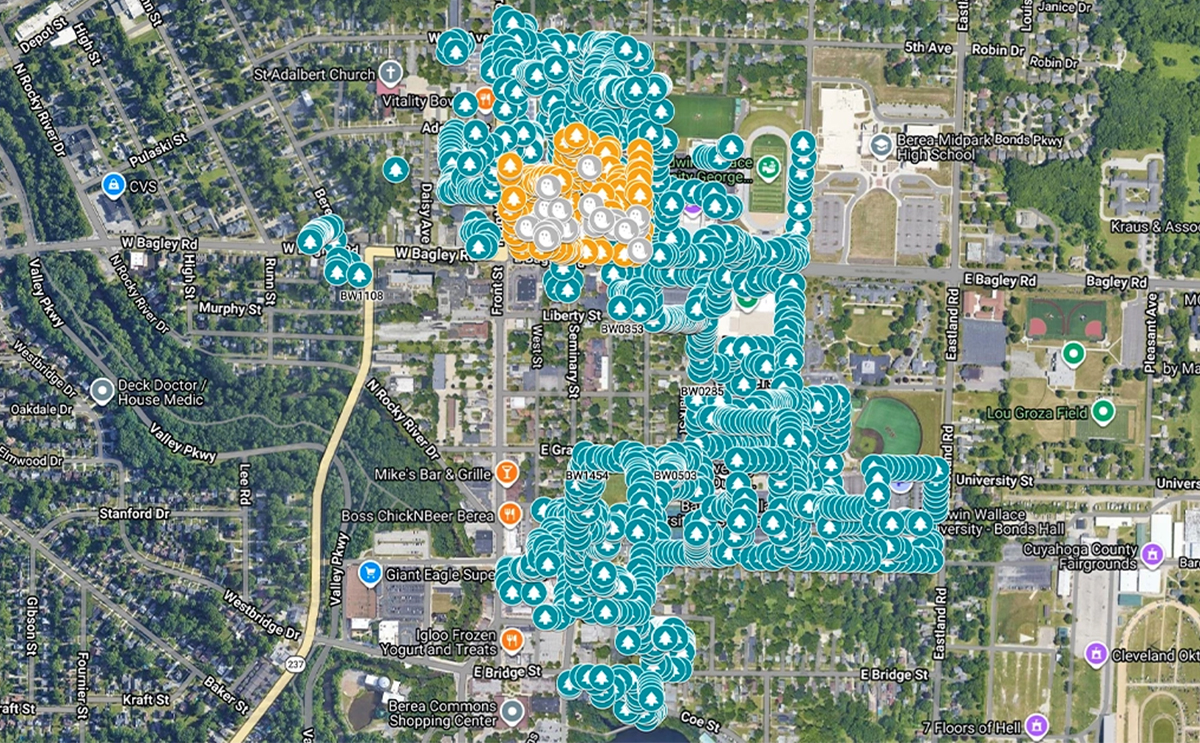
An interactive Google map shows 2016 and 2026 data.
The data, says Smith, enable BW to have a true long-term research project that generations of students can use to address questions like: Which species have grown fastest over the past decade? Did trees appear less healthy in one decade compared to another? How do buildings, roads and other aspects of the urban environment influence tree growth and canopy structure? Which species appear to perform particularly well – or poorly – on the BW campus?
Smith went on to say the inventory creates opportunities for more focused student research projects on topics involving canopy architecture, environmental stress, native versus introduced species, tree diseases and pests, and other questions in urban plant biology. One project already underway is examining how campus trees may reduce pedestrian exposure to UV radiation and heat.
Among students involved in the 2026 study is Sandy Keryacos, a sophomore biology major from Strongsville, Ohio. Keryacos and two classmates are involved with the tree inventory project as well as an independent study on red maples, the most common tree species on campus.
The trio is studying how tree characteristics and urban surroundings, including species identity and proximity to buildings and roads, relate to growth and overall tree performance.
The project enables the three students to develop important critical thinking skills through the research process, as well as broader skills such as teamwork and communication.
For Keryacos, the project offers personal and professional benefits. "I hope to gain a better understanding of how unsuspecting details can affect overall plant health. I think that would be very helpful in understanding how gardens prosper because it is a goal of mine to have a garden in the future."
"In the professional sense, I hope to gain more experience in collaborating with my peers, as well as with professors. I believe that being able to effectively communicate and collaborate with other individuals is a very important skill in a professional career," she noted.
"Opportunities such as this one help me build rapport with my professors and possibly lead to other research opportunities in the future. I also believe this collaboration could possibly be a gateway for other opportunities outside of Baldwin Wallace," added Keryacos.