Success Feed
Student Experience
Homepage
Alumni Success


Faculty-student mentoring is at the heart of three BW students exploring ornithology, entomology and paleontology. And while the science behind these topics may exceed layperson knowledge, the environmental impact of their research is consequential.
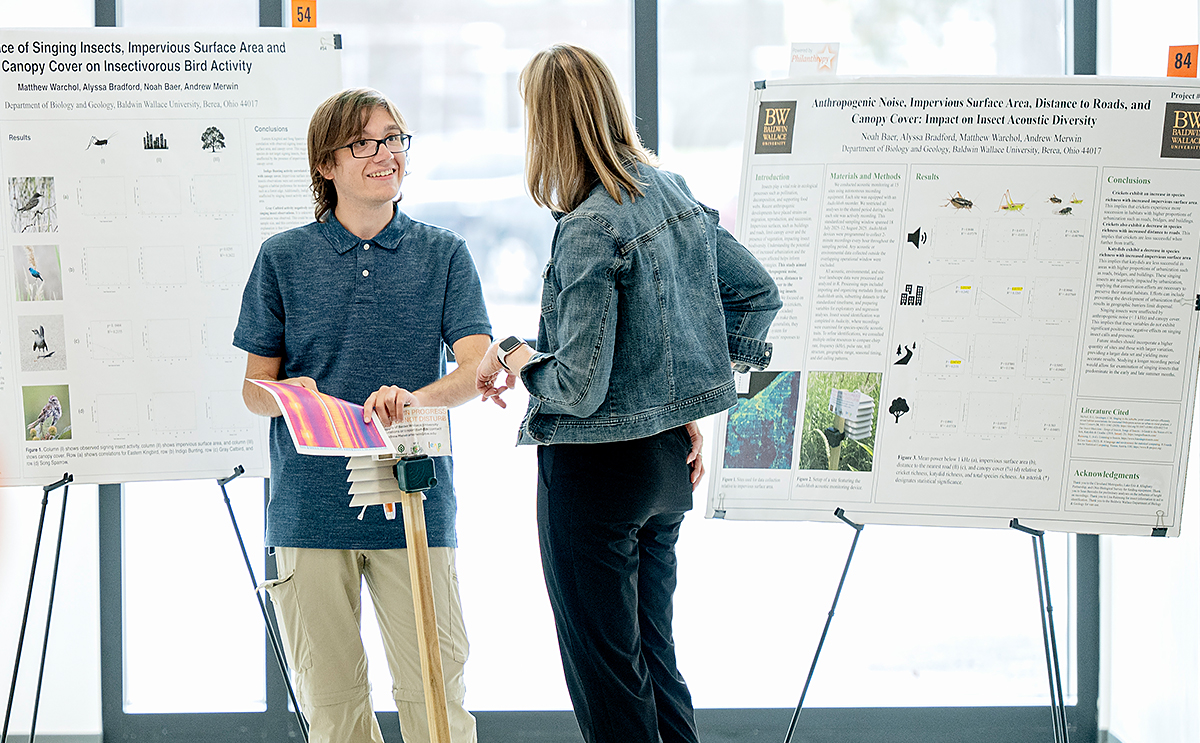
At BW, biology and environmental science are two of several STEM majors that enable students to explore their interests in life science. Real-world research enables BW students to pick a topic of interest and do deep-dive analyses.
For these three students, the work they are doing brings to the forefront the important balance of nature and how a changing ecosystem can affect plant, insect, reptile, animal and human life.
Biology major Matthew Warchol is participating in a nine-week internship with the Rocky Mountain Biological Laboratory in Colorado, where he will be studying how climate change is impacting birds and the insects they eat.
"Migratory birds tend to time their breeding season with peak insect availability. However, due to earlier snow melts from climate change, insect emergence is earlier and may result in a lack of available prey species for breeding birds. I will be looking at the phenological mismatch between arriving migratory birds and emerging insects," explained Warchol.
For Warchol, who will be graduating in December, the competitive internship melds both a professional and personal interest in ornithology (the scientific study of birds).
In 2025, he and a friend did an Ohio Big Year, which is a challenge based on spotting and identifying as many bird species as possible in Ohio during a single calendar year. Warchol and his friend tied for first place with 319 species.
Also that year, Warchol participated in a research project with Dr. Andrew Merwin, BW associate professor of biology. "He allowed me to use the data we collected in his lab for a different project on birds," added Warchol, who resides in Fairview Park, Ohio.
"Dr. Merwin is the reason I heard about the Colorado internship. I wouldn't have this opportunity without him and the valuable experience I gained in his lab doing research," he emphasized.
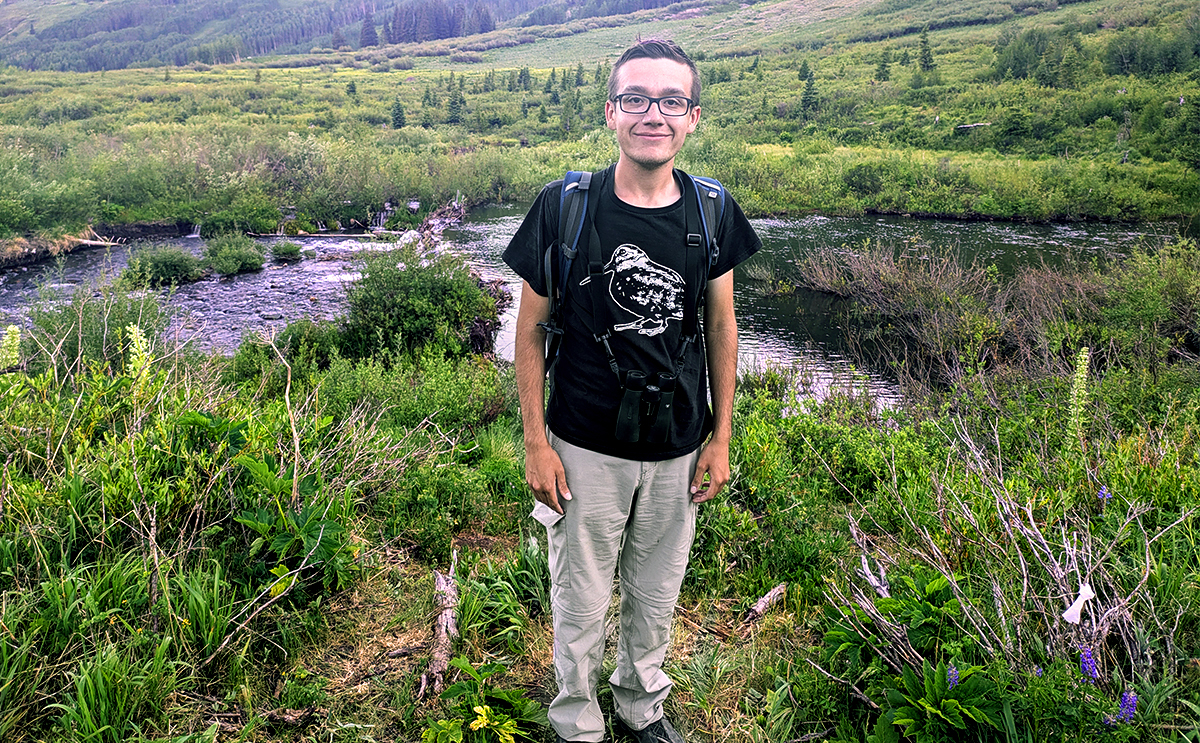
Like Warchol, BW student Noah Baer will be graduating in December with a major in biology. He, too, is spending the summer doing research with Merwin as well as the BW Biomimicry group, a student-run organization.
Baer, alongside BW biology major Alyssa Bradford '26, is studying singing insects, such as crickets and katydids, to better understand how urbanization influences insect diversity.
This research, believes Baer, can help scientists monitor ecosystem health by building an understanding of how insects are responding to environmental changes.
In addition to research with Dr. Merwin, the Cartersville, Georgia, resident is helping lead a project that would use 3D printing to create artificial coral structures made from biodegradable materials.
The project is a collaborative group effort of the Biomimicry Club. Baer, who thought of the idea and presented it to members last year, serves as president of the organization and head of research and design for the coral initiative.
"We are currently finalizing the research and prototype development phase," he reported. "Once our findings are complete, we plan to present the project to the National Oceanic and Atmospheric Administration to seek approval for potential field testing and deployment. The timeline will depend on the review process and any additional testing requirements.
"We believe our artificial coral structures can help support marine life, which is changing due to climate change. The goal is to explore environmentally friendly ways to assist coral reef restoration and better understand how technology can be used to address ecological challenges," he added.
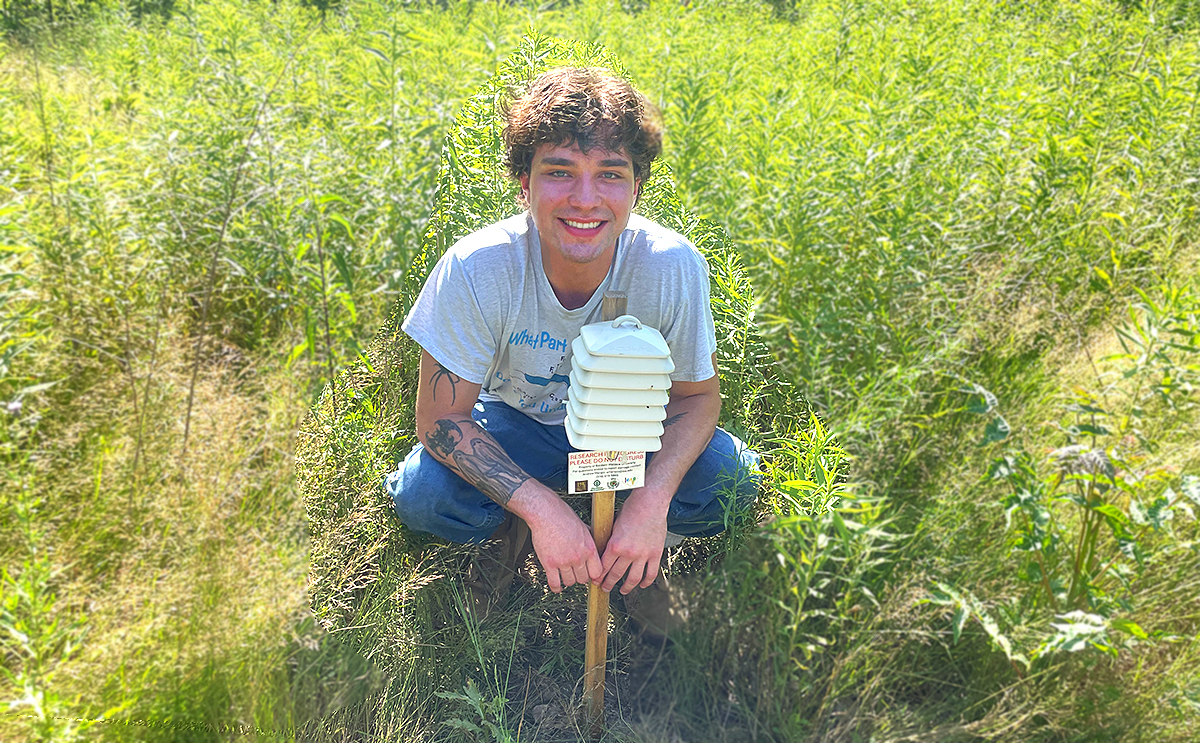
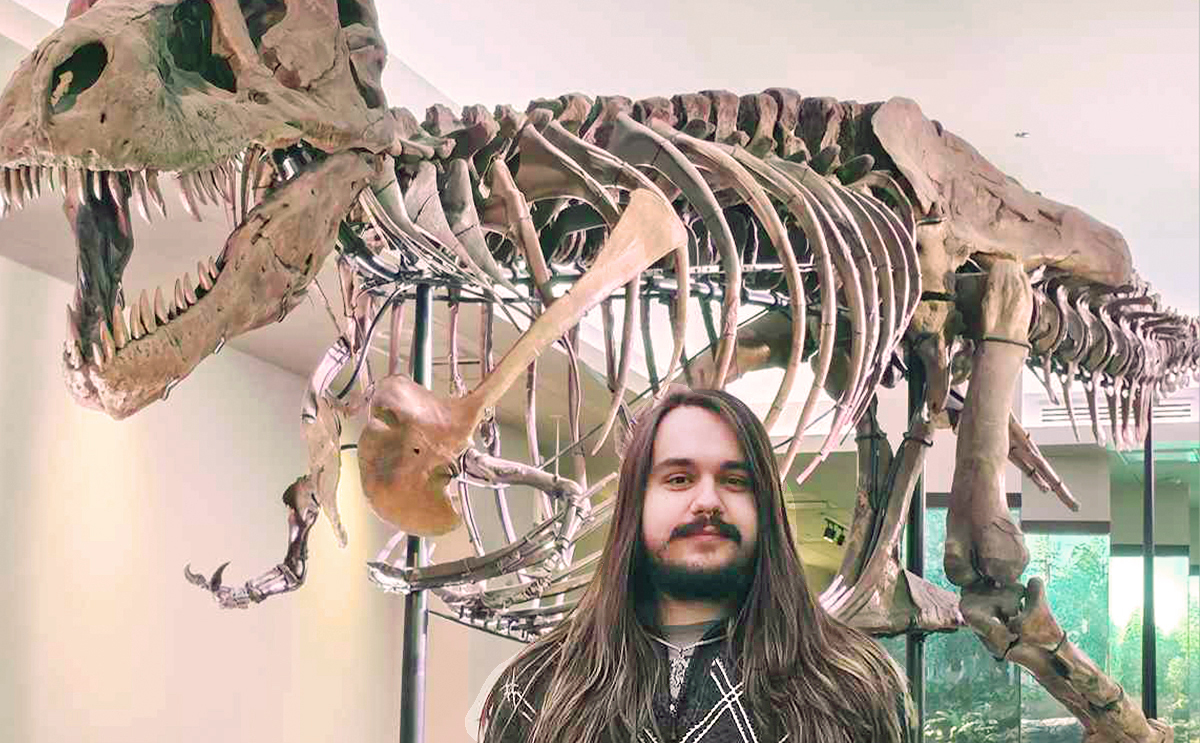
Related to ecosystem health, from a look-back perspective, is Chase Manson's eight-week summer internship with the Cleveland Museum of Natural History through the Kirtlandia Program for Molecular Paleontology, where he will study with Dr. Caitlin Colleary.
Paleontology is the scientific study of the history of life on Earth based on fossil remains, with the goal of understanding how ancient organisms interacted with their environments and how life has evolved over millions of years.
Through the museum program, Manson will study topics like molecular paleontology and taphonomy (the study of fossilization). Part of the internship will be a trip out west to the Hell Creek Formation in Montana, a fossil-rich geological area.
The 2026 graduate, who majored in environmental science and resides in Cleveland, credits his BW environmental science professors, Drs. Karen Munroe and Carrie Davis Todd, for both the opportunity and for being a cornerstone for him during college.
"Since I was a child, I've always loved paleontology. I took a few different detours in my career goals during college on what I wanted to do, but having this opportunity to take a step into the field of paleontology has made me incredibly excited for what the future holds," remarked Manson.