BW environmental science majors revel in being 'field' hands
Joyce DeGirolamo
08 December 2025
Dirt under the fingernails is a badge of honor for BW students majoring in environmental science, where hands-on field experiences provide meaningful, deep-dive learning opportunities.
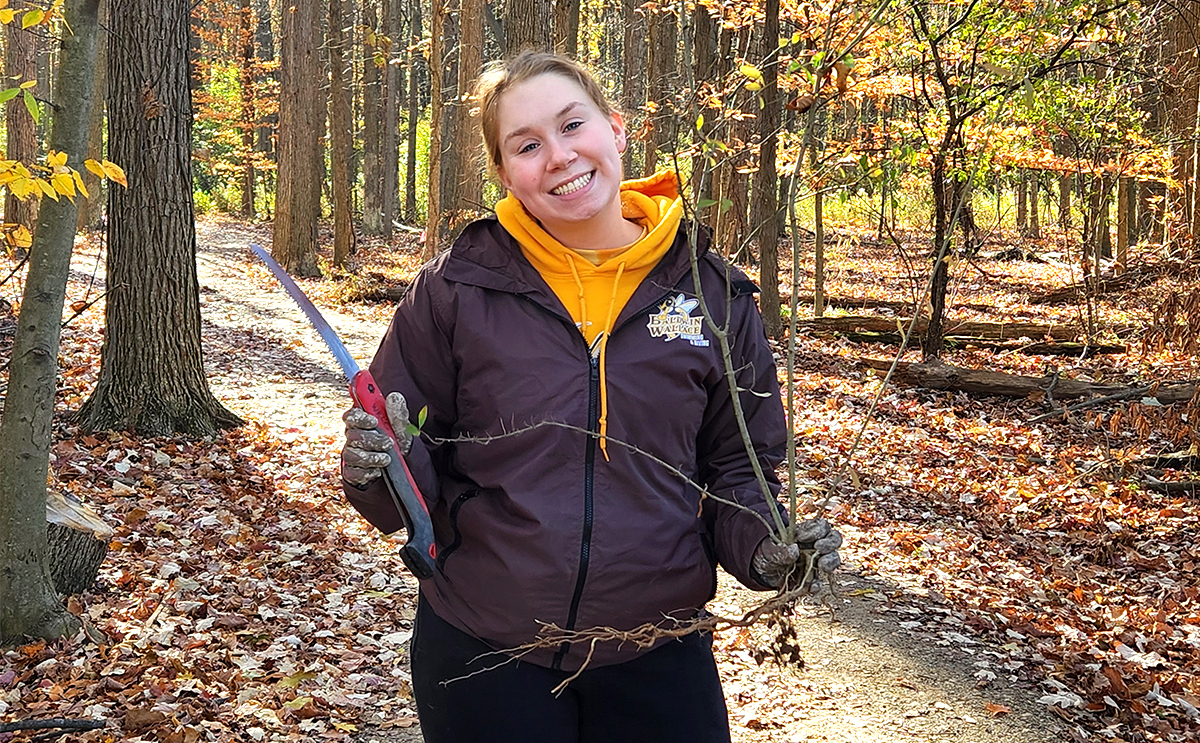
A service-learning project at Cuyahoga Valley National Park provided Morgan Ingalls '26 with an opportunity to learn about invasive plants and the benefits of removing them.
The immersive experiences are a distinctive part of the major, providing real-world study of topics ranging from soil and streams to insects and indigenous plant species.
"The amount and quality of field work in our program distinguishes BW from other colleges," believes Davis Todd. "Field work in our courses occurs weekly in labs and course projects, as well as in weekend field trips to more distant locations."
"We partner with community organizations and individuals for some projects. Other times, we select a site on our own," she added.
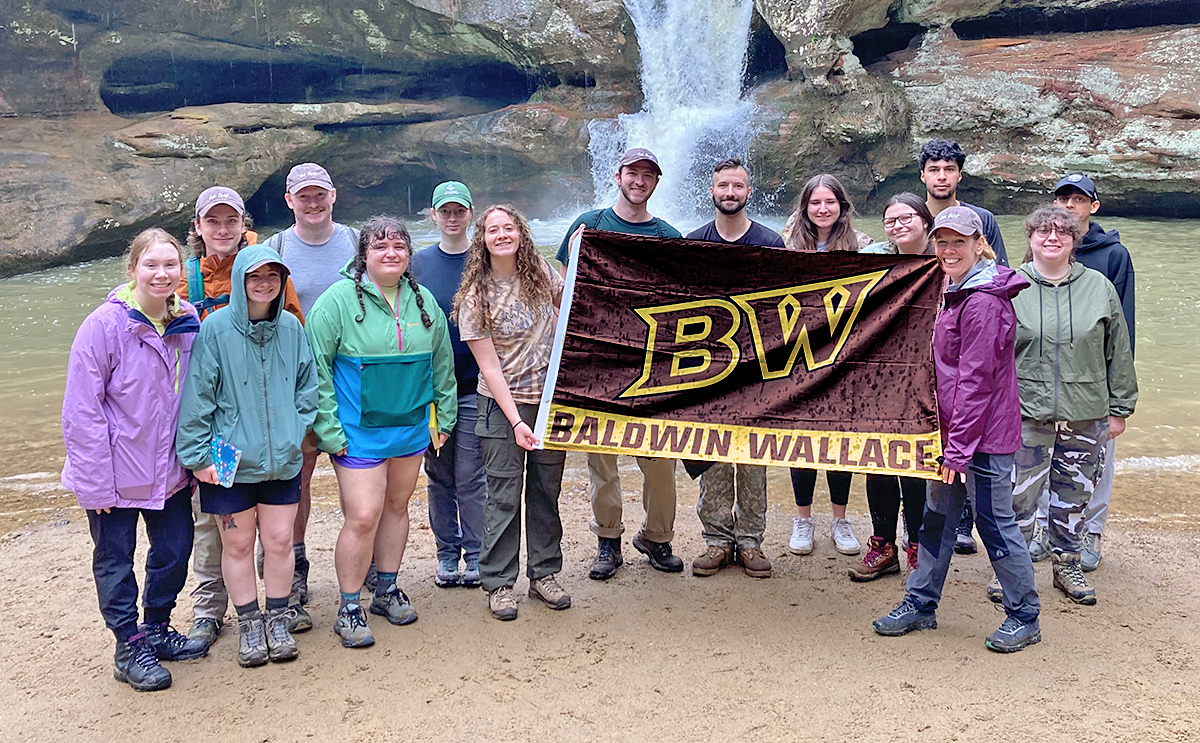
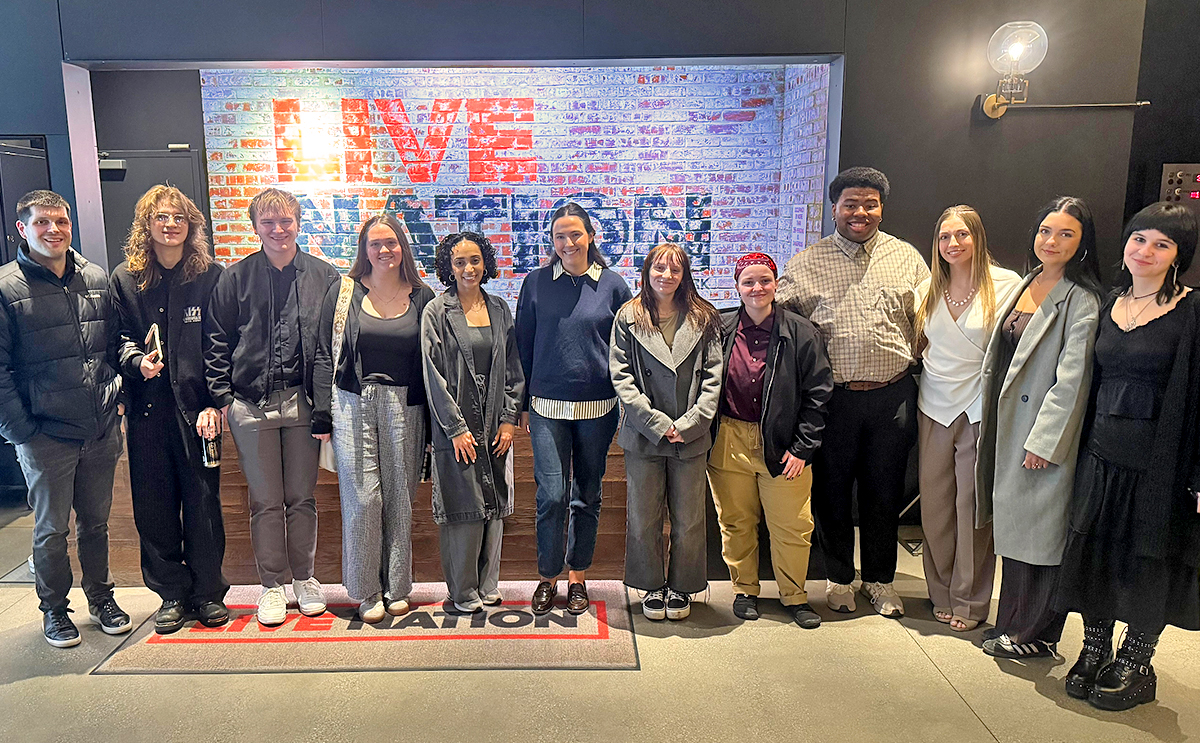
Last spring, students traveled to state parks and preserves across Ohio for hands-on learning. The trip was led by Davis Todd, pictured here holding the BW banner in the front, far right.
Among locations, Davis Todd mentioned a spring trip to southern Ohio, where the group visited various state nature preserves and other locations to observe a variety of landscapes and how humans have used these areas.
This fall, a faculty-led excursion to western Pennsylvania offered insight into the environmental impacts of humans on rivers, including stream restoration, acid mine drainage and remediation.
Other field experiences this fall included Ohio's Lake Erie Islands, Cuyahoga Valley National Park, Oberlin Preserve, and several sites and facilities across the Cleveland Metroparks.
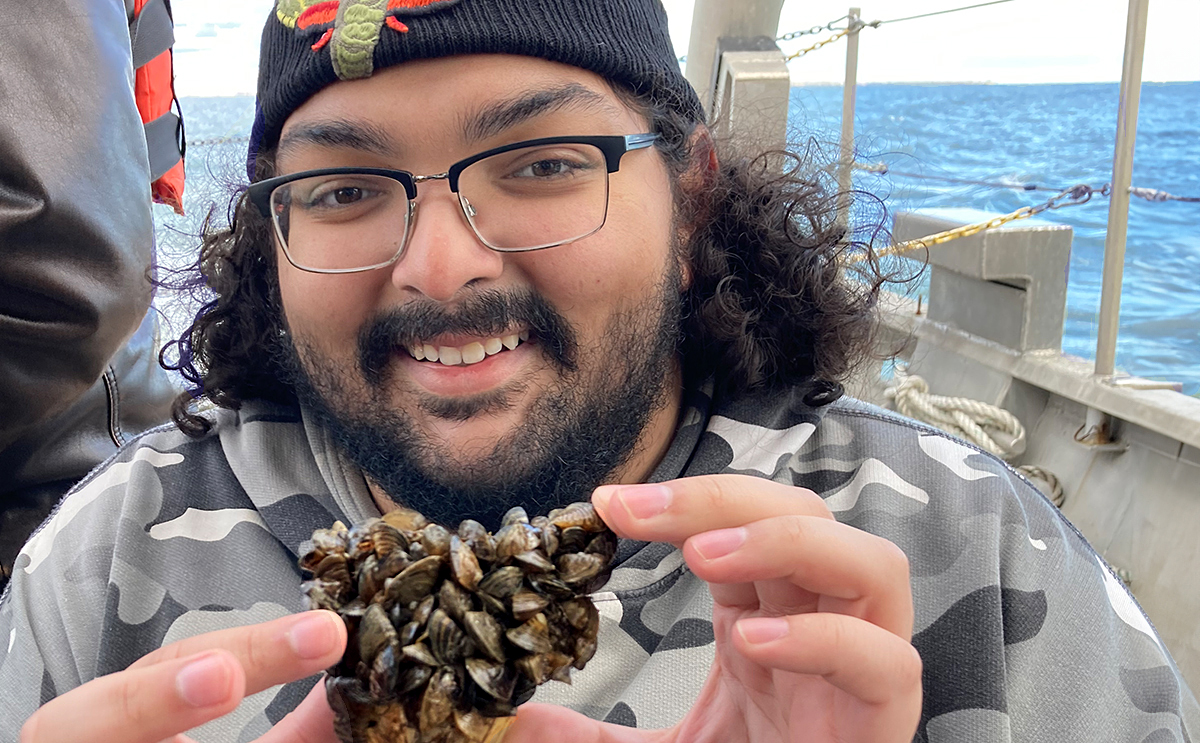
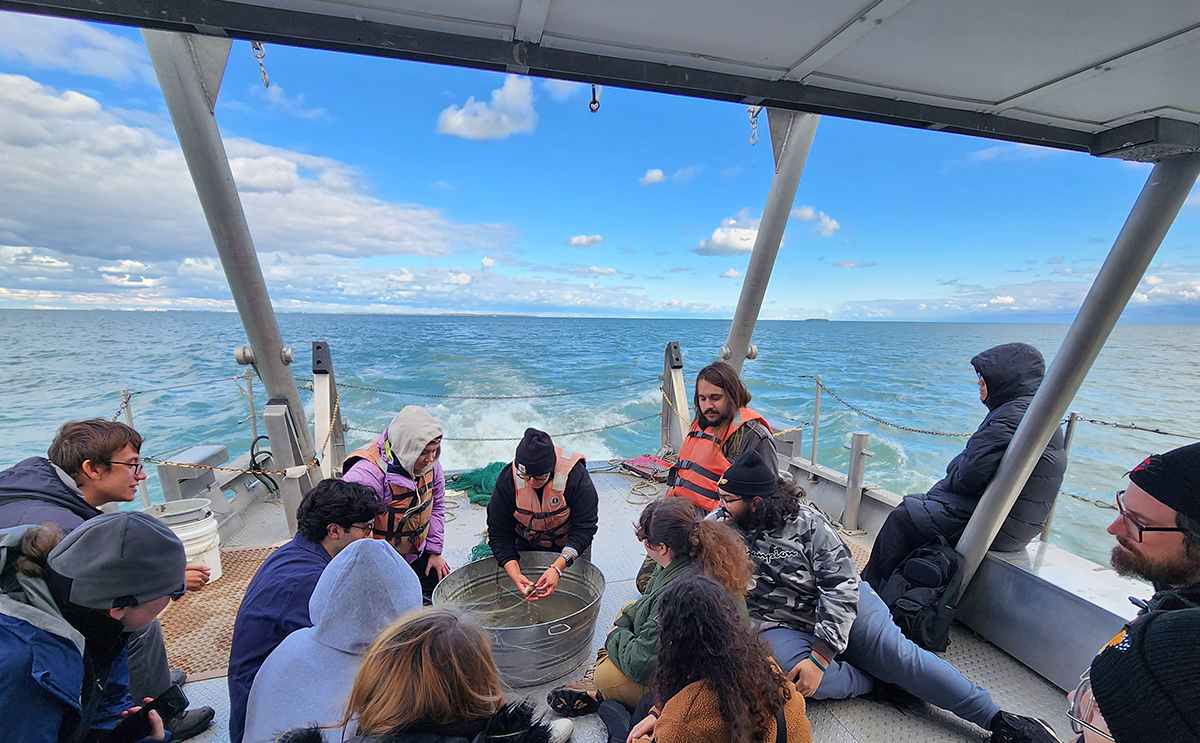
The Great Lakes served as the backdrop for studying an aquatic ecosystem as part of a field experience in October. Here, Anthony Diaz '26 holds a native mussel covered in invasive zebra mussels.
Melding classroom concepts with applied learning
For Morgan Ingalls '26, experiential learning through field trips, internships and study abroad has been a rewarding part of attending BW.
The Erie, Pennsylvania, resident can articulate the meaningful application of each experience in advancing classroom study and in preparing her for a future career as an environmental consultant or compliance specialist.
As an example, she said the Pennsylvania trip with Davis Todd in September was significant because she could meld her geology minor with her environmental science major. She also could see how the past use of mining the land had long-term environmental effects that are now being addressed through restoration and reclamation.
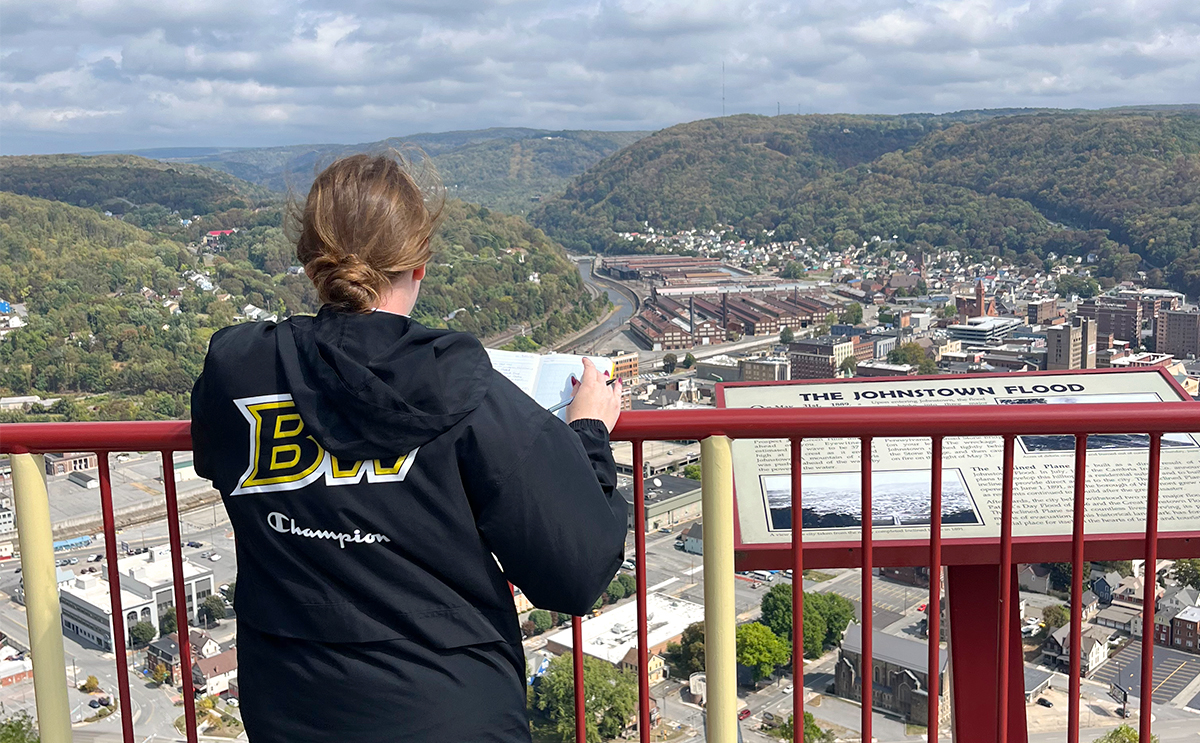
While in Pennsylvania, students visited Johnstown, where Ingalls and other BW students learned about its historic environmental disaster.
Another trip this fall took Ingalls and her peers to the Cuyahoga Valley National Park in Richfield, Ohio, where they worked on a research study with their professor and participated in a service-learning project. The latter included pulling out invasive plant species and planting native ones.
In May 2024, Ingalls participated in a study abroad seminar in Iceland. The BW faculty-led trip focused on geological features, including active volcanic regions, glaciers and geothermal phenomena. The 12-day program, believes Ingalls, showed her the interconnectedness of geology, culture and environmental management.
"I learned that environmental science is not done in a vacuum. In order to be successful in this field, you must be interdisciplinary and be able to work and communicate with people who have different backgrounds and expertise," noted Ingalls.
"There's something powerful about learning in the field rather than textbooks. I am grateful to my BW professors who prioritize experiential education," emphasized Ingalls.
'Connecting the Dots'
Like Ingalls, environmental science major Robert Sievers '25 knows firsthand the benefit of field experiences. Currently employed as an environmental technician at an environmental consulting company, he credits BW for his success.
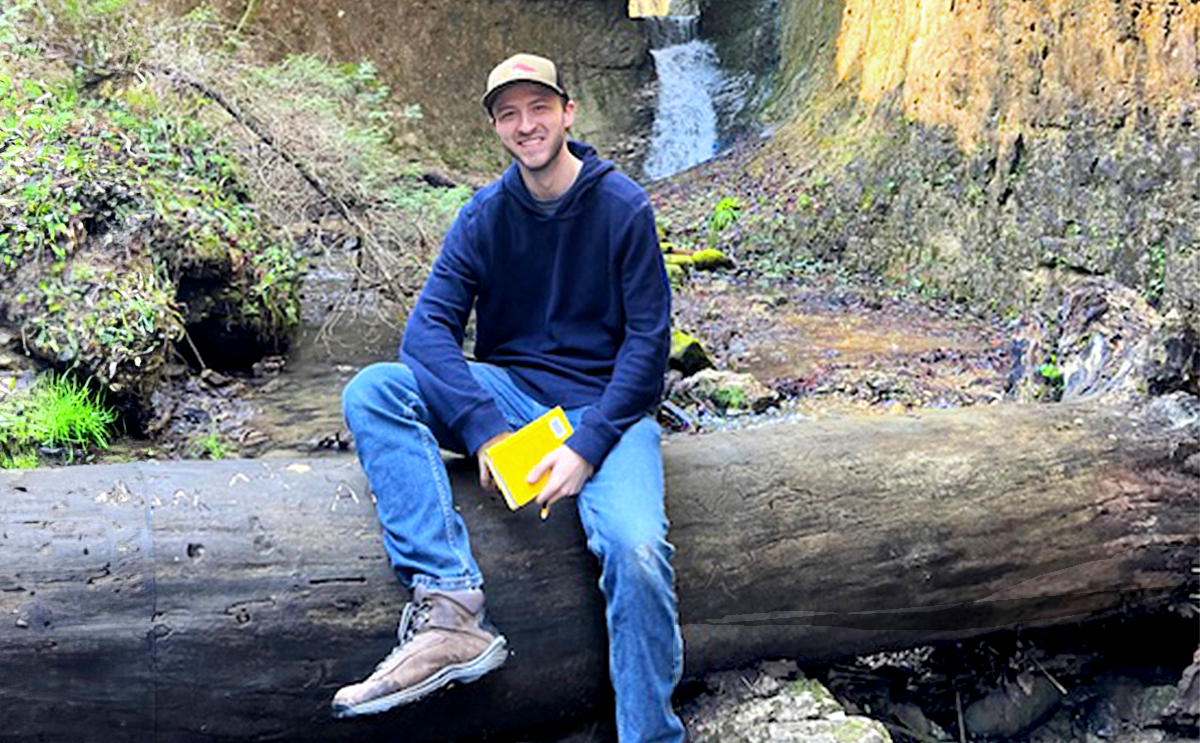
Sievers at a BW field experience in southern Ohio in 2024.
"I've been on countless BW field trips. They were incredibly helpful," said Sievers.
"Lab time often included day trips, which were effective in reinforcing course content immediately after hearing it for the first time," said Sievers. "Many times we would learn about a topic on Monday or Wednesday, then use the lab time on Thursday to explore the practical application of that content in the field."
Activities, noted Sievers, ranged from sample collection and plant identification to river surveying and scientific equipment use, among others.
"For many students, myself included, being able to develop and apply these skills in the field allowed us to 'connect the dots' on specific concepts. The act of 'doing' instead of 'watching' was very beneficial," added Sievers.
He went on to say that weekend field trips, which typically occurred later in a semester, were "a huge strength of the environmental science major because students could integrate and make connections across not only material from one course but to other courses, as well."
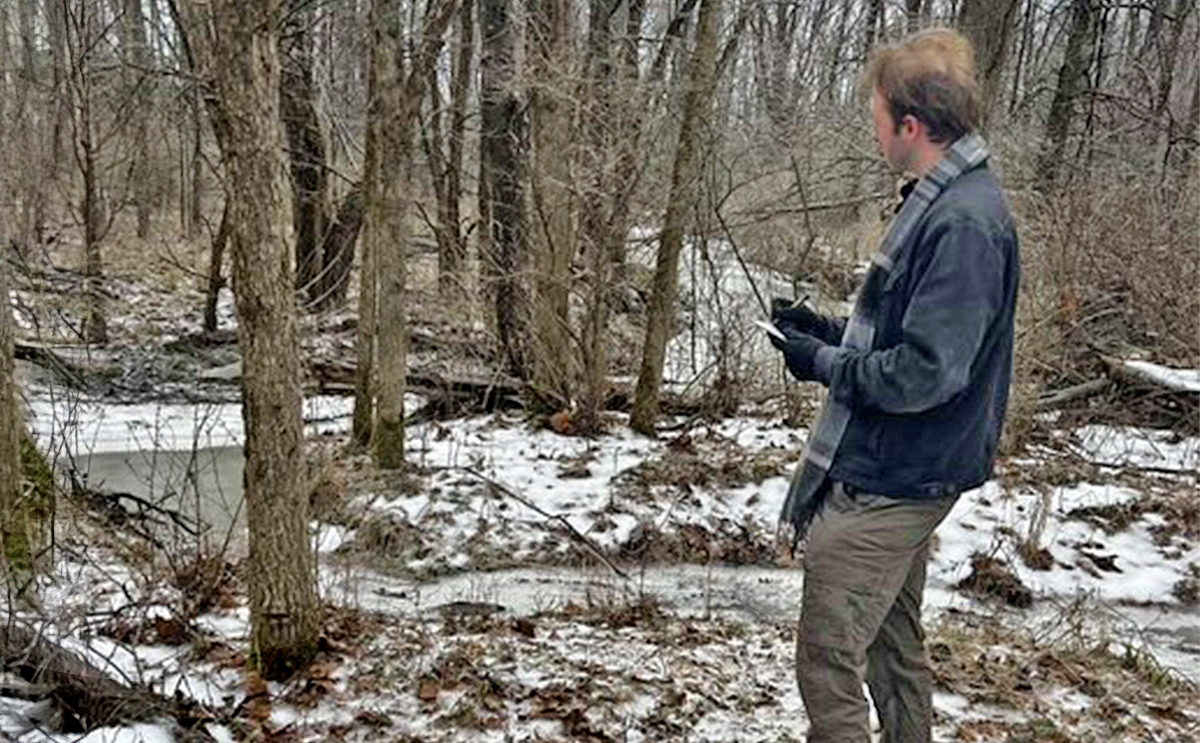
As part of a research project with Davis Todd, Sievers studied the impacts of large pieces of wood on stream stability and erosion.
"The extended time of the trip made the course content feel like a flowing story. We could dive deeper into topics and ask more detailed questions. These trips not only helped reinforce course material and skills, but they were also a great opportunity to develop meaningful relationships with classmates and professors," remarked Sievers.
"During the summer before my senior year, I interned at the U.S. Environmental Protection Agency. Also significant during my time at BW was a research project with Dr. Davis Todd. The real-world opportunities I had with the field experiences, internships and research are a huge benefit that can make a job candidate stand out," he believes.
"They were incredible. Each of them offers a unique level of knowledge and professionalism. They deeply care about student success," emphasized Sievers.
"I can confidently say I have developed meaningful professional relationships with nearly every science professor I had during my studies. These positive relationships helped me reach new heights in all areas of my life. The quality of my professors and the unique experiences they provided were hands-down the best part of my BW education," said Sievers.
A beautiful blue sky and water offered the perfect "classroom" setting for students who were in a conservation biology course this fall.
Arts Management EntrepreneurshipConservatory - Arts EntrepreneurshipConservatory - AllHH PerformanceHH BusinessAlumni SuccessStudent ExperienceHomepageSuccess FeedMusic Industry and Entrepreneurship