Success Feed
Student Experience
Homepage
Alumni Success


Having spent more than three decades in education, BW professor of education Dr. Susan Finelli-Genovese believes educators should not fear innovation but be equipped with the knowledge and confidence to shape it.

Thirty-five years ago, a teacher's most advanced classroom technology might have been a well-organized transparency sheet on an overhead projector. Today, teachers have access to artificial intelligence tools that can help design lessons, personalize learning experiences, analyze student needs and create opportunities for deeper engagement.
I have watched education evolve through the introduction of the internet, interactive whiteboards, 1:1 initiatives and the many digital resources that have become part of a teacher's toolkit.
Each innovation brought both excitement and uncertainty. Each required educators to rethink not only how they taught, but how students learned.
AI represents the next chapter in that ongoing journey. The question facing education is no longer whether AI will influence teaching and learning, but whether educators will be prepared to guide its responsible use.
Today, I have the opportunity to teach both pre-service teachers preparing to enter the profession and veteran educators looking to expand their instructional practices.

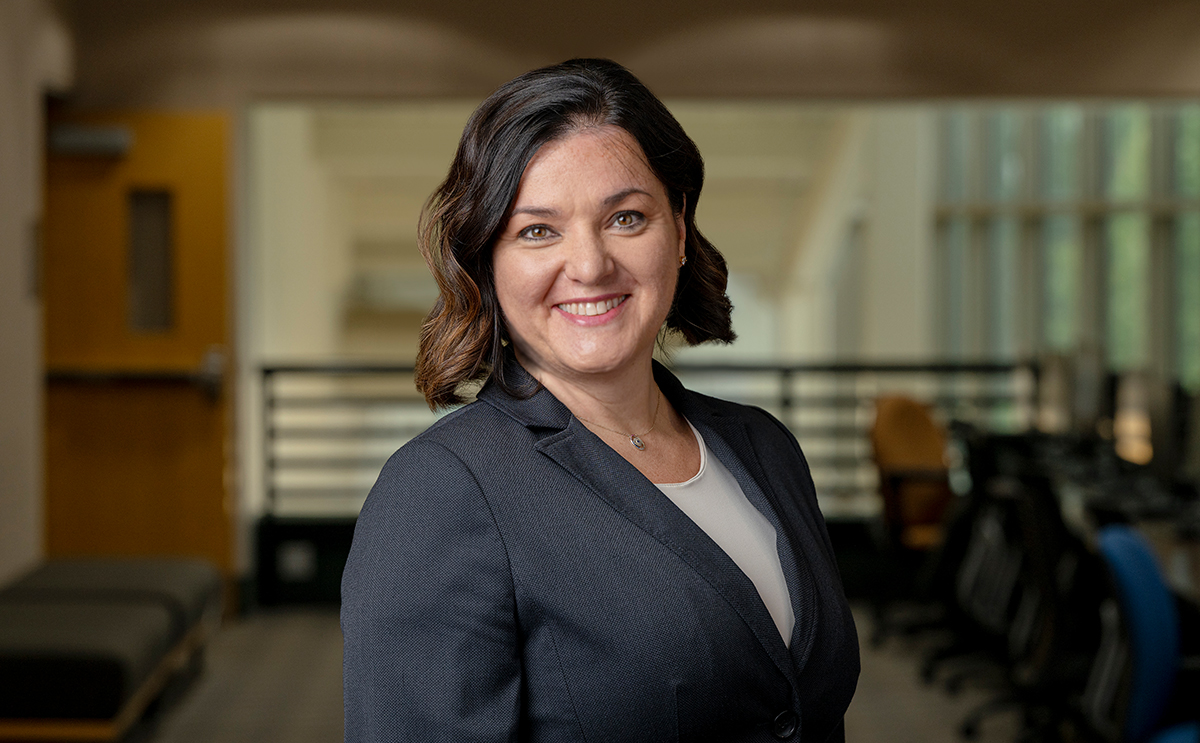
Dr. Susan Finelli-Genovese
Much of my work focuses on helping educators understand and effectively use AI alongside other tools and strategies. One of the most rewarding parts of this work is watching educators move from uncertainty to curiosity.
I have seen both new and experienced teachers begin to recognize that AI is not about doing the work of teaching for them. It is about expanding what they are able to do for their students. It is a tool for success, not a trade-off sacrificing quality.
AI will not replace the heart of teaching — the relationships, encouragement, creativity and care educators provide every day. However, it can become a valuable partner.
When used thoughtfully, AI can help teachers save time on routine tasks, generate ideas, differentiate instruction, provide additional learning supports and create more personalized experiences for students. It can help teachers spend less time managing tasks and more time connecting with learners.
The educators who made the greatest impact throughout my career were not necessarily those who mastered every new technology first. They were the ones who remained curious, adaptable and focused on what mattered most: their students.
For the next generation of teachers, understanding AI will not be optional. It will be an essential part of being an effective educator. Future teachers must learn not only how to use AI tools, but also how to evaluate their accuracy, consider ethical implications, protect student privacy, and make informed decisions about when and how these tools support learning.
When I first stepped into a classroom, educational technology looked very different, and I never imagined I would one day help teachers learn to collaborate with artificial intelligence. Yet the mission has never changed: to use every available tool to help students learn, grow and reach their potential.
As we prepare the next generation of educators, our task is not to fear innovation but to equip teachers with the knowledge and confidence to shape it. The most powerful force in education has always been a great teacher who inspires learning.
Dr. Susan Finelli-Genovese is a professor of educational technology in BW's Department of Education. She is a published author, illustrator and entrepreneur who has spent more than three decades in education, from PreK classrooms to higher education.
A version of this column first appeared on cleveland.com and in The Sun News in Northeast Ohio.
The BW Voices series explores a rich array of topics through a diverse pool of contributors. Guest writers offer personal narratives relating to topics of expertise, insight and perspective with the goal of enriching the educational experience of students and the BW community.