Success Feed
Student Experience
Homepage
Alumni Success


Erin West, Ph.D., LPCC, chair of the BW Department of Counseling, discusses the critical need for licensed professional counselors and the rewards of being in this fulfilling career field.

Mental health is a topic that cuts across all aspects of life, impacting our physical health, work performance, relationships and overall wellbeing. The National Alliance on Mental Illness (NAMI) reports that more than one in five adults experienced mental illness in 2024.
Children, teens and young adults are also in need of mental health services. NAMI cites that suicide is the second leading cause of death among people ages 10-24.
The need for licensed professional counselors (LPC) is outpacing the number of available LPCs. According to the Bureau of Labor Statistics, the U.S. faces projected shortages of nearly 88,000 mental health counselors and 114,000 addiction counselors by 2037.
The Ohio Council of Behavioral Health and Family Service Providers has documented a "workforce crisis" in the field, while the U.S. Bureau of Labor Statistics has projected jobs in the counseling sector will grow by 25% between 2019 and 2029.
Currently, there are not enough graduates entering the field to meet demand, with NAMI recently reporting only one provider available for every 350 individuals in need of services.
For individuals who seek a fulfilling career where their work can have a meaningful impact on the lives of people of all ages, I encourage you to learn more about mental health counseling. It is a career field with so much versatility.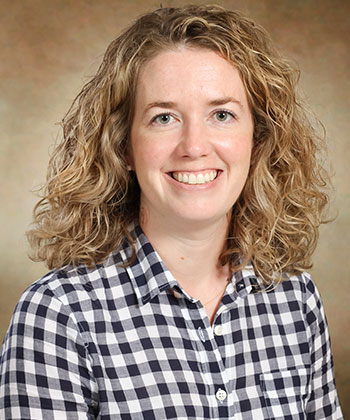 The individuals who go into the field of mental health counseling are remarkable. They have a passion for the field and improving the lives of others.
I speak from experience. I am a licensed and practicing counselor myself. I see firsthand the value of this profession, which is why I decided to take a leadership role in addressing the shortage of mental health counselors.
Baldwin Wallace University started a 24-month Master's in Clinical Mental Health Counseling Program in August 2024 to address this critical need. As director of the program, I am proud to help fill the gap of LPCs needed across Northeast Ohio.
In May, our first graduates walked across the stage at Commencement. In August, we will have a new cohort begin their studies. I hope anyone who is considering this rewarding career path takes the first step to learn more.
Students receive evidence-based training for roles that enable them to utilize their skills to address a variety of concerns such as substance use, mood and anxiety disorders, crisis and trauma, grief, behavioral issues, and relational concerns. Furthermore, students can gain training to address these areas with a diverse range of clients including children, adolescents, adults, couples and families.
The range of clinical sites for LPCs offers flexibility to pursue roles in settings such as schools, community-based clinics, private practice, hospitals and medical centers. For individuals seeking flexible work options, LPC positions offer the ability for counselors to work in-person or through telehealth in part-time and full-time capacities.
But, to me, the real rewards come from counseling clients. I am privileged to witness their growth over our time together; it is the most remarkable gift.
A version of this column first appeared on cleveland.com and in The Sun News.