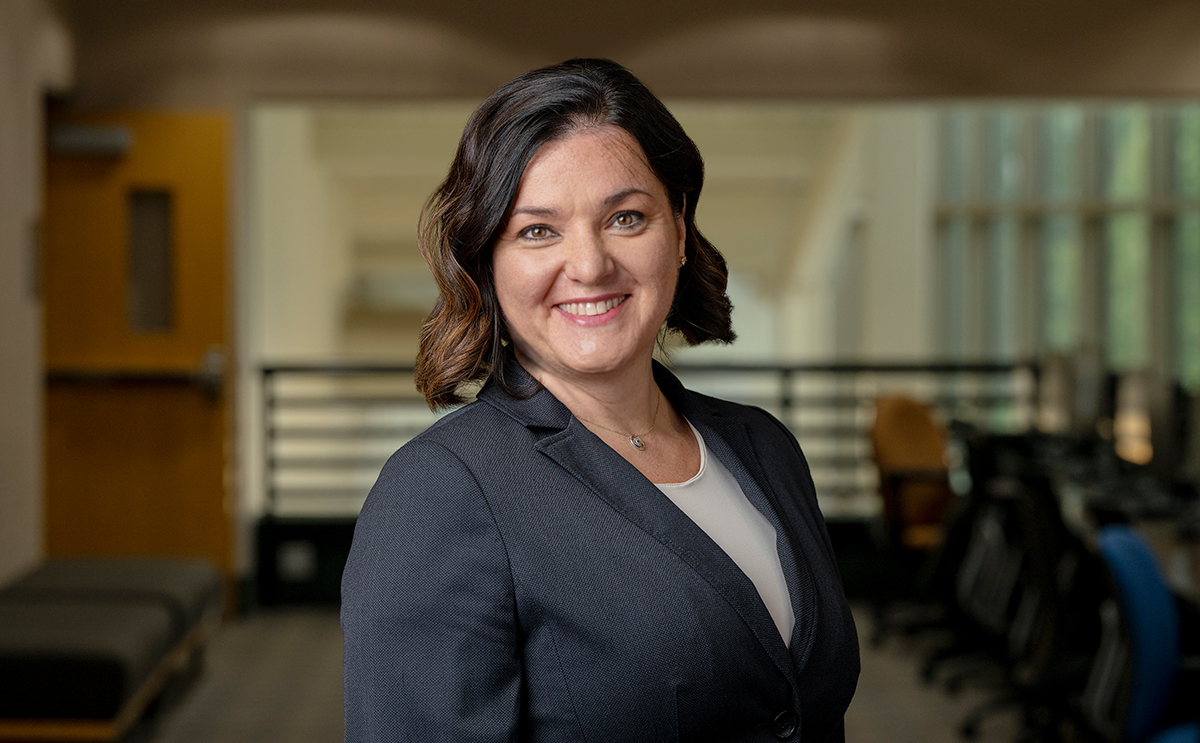
Carrie Short, BW director of financial aid, helps students and families navigate the complexities of college funding with clarity and care.
Financing higher education can be challenging for families. They often struggle with misconceptions and outdated information about paying for a college education.
As Baldwin Wallace University's director of financial aid, I am on a mission to effectively share accurate information about affordability, federal government financial assistance and other loans and scholarships.
The knowledge is applicable to BW students and anyone navigating the cost of education.
That's why I founded "Better FAFSA Help," a Facebook group monitored by more than 100 verified financial aid advisers, in February 2024.
The group was created to fight a cesspool of misinformation stirred by financial aid sites that often have commercial interests.
We now have 44,000 members, and the site received a National Association of Student Financial Aid Administrators (NASFAA) Gold Star Award in 2025.
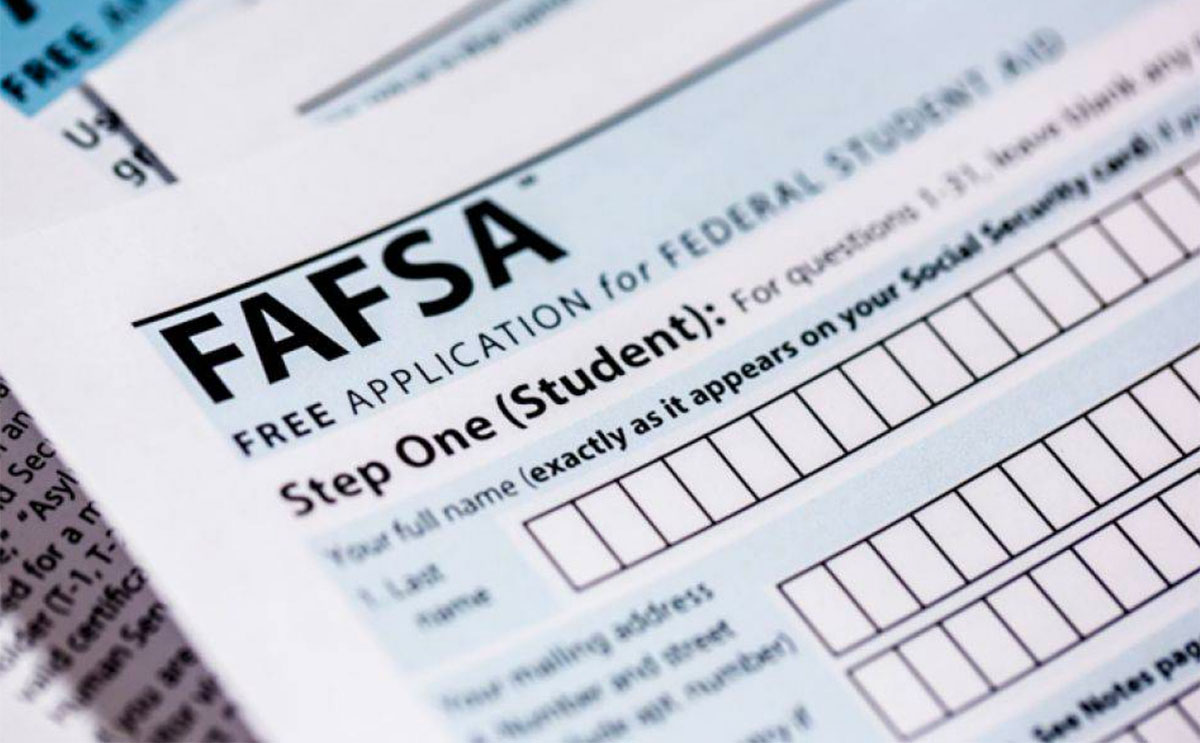
I have been a financial aid counselor for 20 years, and I can't believe we are still having the same conversations about how completing the FAFSA (Free Application for Federal Student Aid) is only for low‑income families.
The eligibility is broad, and a lot of middle‑income families qualify. You also don't have to be an A+ student to get help.
Families should know that there is usually a significant difference between the true cost of attendance and the sticker price when calculating the cost of a college education.
For example, the average sticker price for a BW student in 2026–27 is $58,284, which includes tuition, fees, and room and board.
But BW awards academic merit scholarships to ALL students — from a minimum of $14,000 up to $22,000 — based on high school performance, reducing the price substantially. These scholarships are renewable for four years.
There are also other kinds of scholarships and awards available. BW works individually with students to match them to our 400‑plus named scholarships, awarding more than $4.5 million each year — and that is money that does not have to be repaid.
Every student at BW receives financial aid through scholarships or special awards, regardless of financial situation.
On top of these institutional scholarships and awards, we encourage families to look at community, school, employer, cultural and organizational scholarships for help.
Need-based aid — like federal Pell Grants — is awarded to students who qualify, and federal student loans are also available to students who file the FAFSA. (I am cautiously optimistic that this kind of federal financial aid will continue to be available to students in the future.)
What about student loans? Relevant work‑study programs, paid internships and other solutions help reduce any amount owed at graduation.
After graduation, career success will enable them to repay whatever they owe. Ninety-seven percent of BW students are employed within six months of graduation.
A version of this column first appeared on cleveland.com and in The Sun News.