Success Feed
Student Experience
Homepage
Alumni Success


A team of BW engineering and environmental science students is working to improve the environmental management of Northeast Ohio's two most important water systems — Lake Erie and the Cuyahoga River.
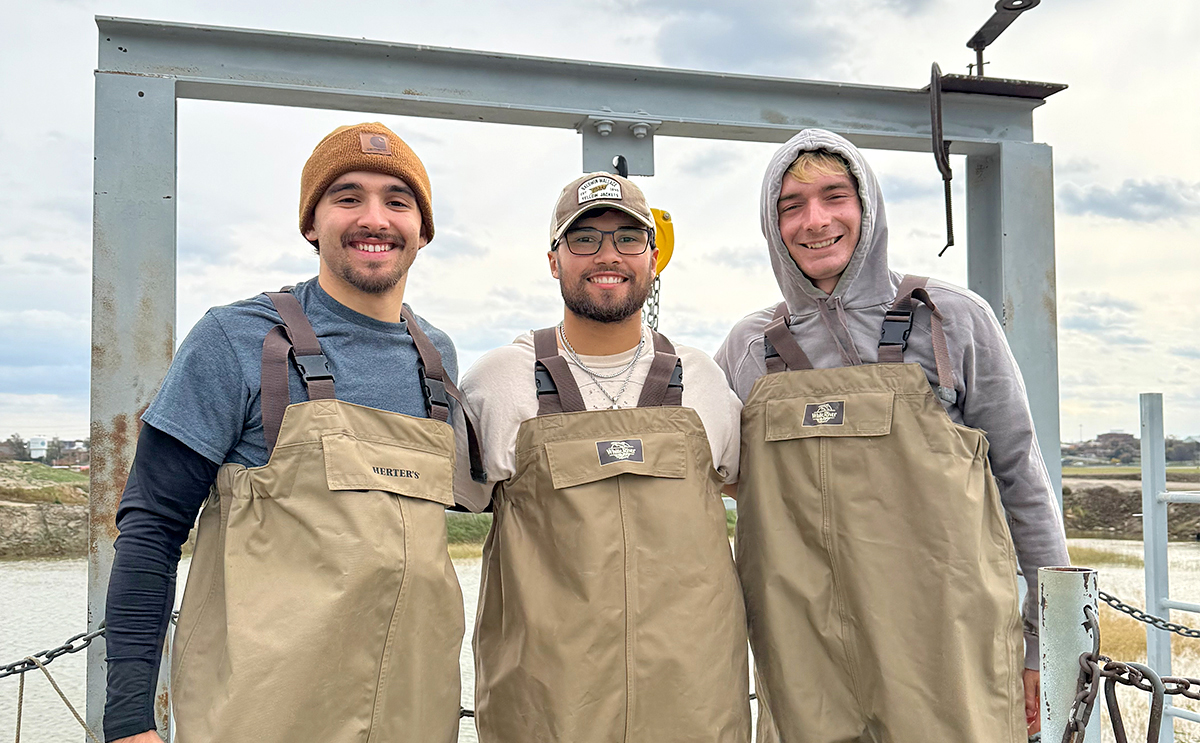
The students, who are enrolled in capstone courses in their major — engineering or environmental science — are working with the Port of Cleveland on a research project that can help the Port better manage operations of a process known as dredging.
According to Dr. Jeff Dusek, BW associate professor of engineering, Cleveland Harbor is a major commercial port on Lake Erie that plays a key role in Great Lakes shipping.
In order for large vessels to be able to navigate the harbor and a 5.9-mile channel in the Cuyahoga River, sedement is regularly removed from the bottom of the Cuyahoga River through dredging, which is a multi-step process of taking the extracted material and moving it through settling ponds for sediment filtration before releasing the remaining water into Lake Erie.
As part of that process, there are regulations pertaining to the amount of chemicals and particulates that are in the water being released into the lake. The particulates involve the measurement of total suspended solids (TSS), which are the particles that are in the water and require time to settle.
BW engineering and environmental science students are looking at different, but equally important, aspects of the Port's operation as part of their research study.
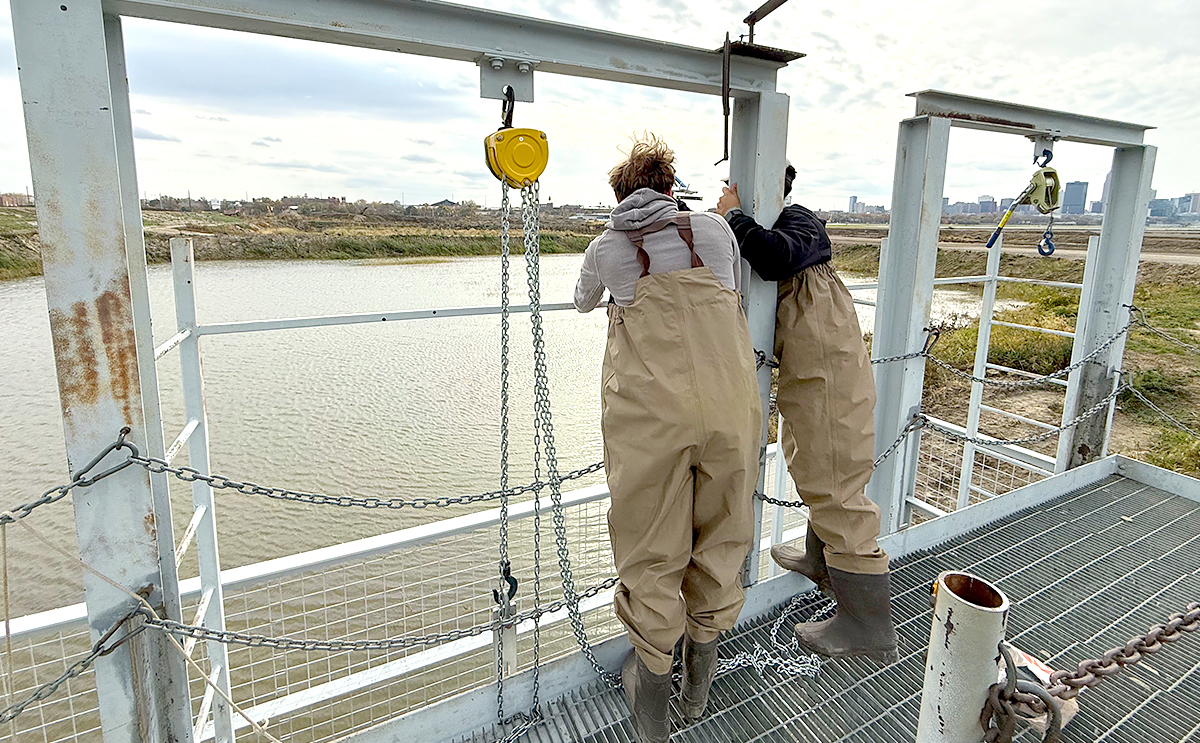
Among the trio of engineering students involved in the project is Will Horvath '26 of Fairview Park, Ohio. "Our job is split into two halves. In the fall, Cleveland Water Alliance and Freeboard Technology loaned us a sensor that we installed at the Port of Cleveland to provide real-time data about TSS," explained Horvath.
"In the spring, we will take the data we gained from the loaner sensor and use it to develop our own TSS sensor for the Port. Our goal is to help them streamline operations in a cost-effective manner using real-time data for decision-making," said Horvath.
At the same time, the environmental science students are working to better understand the factors that affect water quality as well as minimize the environmental impact of dredging.
Under the direction of Dr. Annette Trierweiler, associate professor of environmental science, four students in that major are investigating whether dredging and the water released into Lake Erie are affecting other chemical parameters, such as pH and inorganic nutrients like nitrates and phosphates.
"The work being done by the environmental science students on this project not only has enhanced the Port's sampling efforts but also gives the engineering students additional environmental data to test their sensor," noted Trierweiler.
Morgan Ingalls '26, an environmental science major from Erie, Pennsylvania, is among those students. Ingalls was excited to join the interdisciplinary team. Through two prior internships, she already had hands-on experience in the field of environmental compliance.
"The skills that I will practice in this project would be ones I would use in a career — environmental sampling and analysis, data interpretation against regulatory standards, and further evaluating the impact of dredging events on water quality and permit compliance," stated Ingalls.
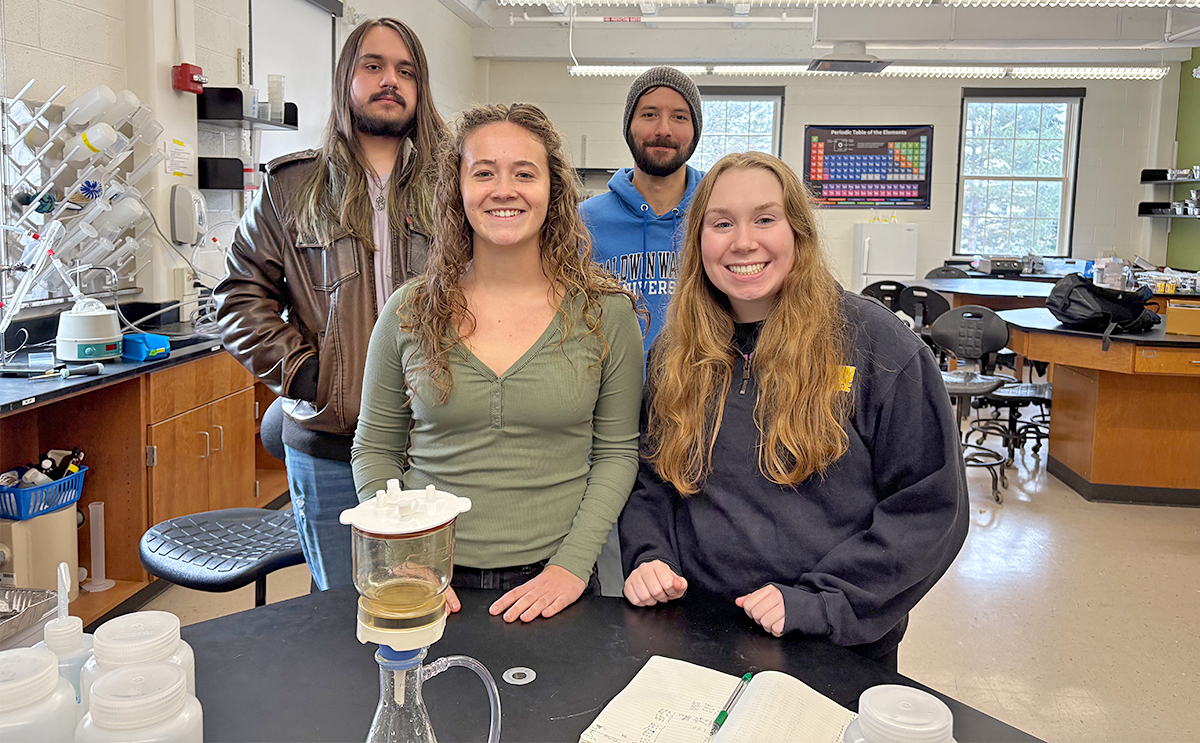
A graduating senior, Horvath credits BW and the capstone project for helping him gain valuable skills in research, problem-solving, teamwork and communication. Upon graduation, he will begin work as a project engineer with the Rudolph Libbe Corporation, a role for which he already has a job offer.
Andrew Palos '26 of Elyria, Ohio, also has benefited from BW's hands-on, real-world approach to education.
"Learning from lectures and labs can only get you so far. This project showed me that solutions are not exactly straightforward and can require critical thinking outside the bounds of what we may learn through lecture and books," believes Palos.
"One of the main factors that made me choose BW over other universities was knowing class sizes are small and faculty-student collaboration is available. Learning firsthand from faculty has allowed me to explore, in depth, my ideas and the questions I have about a variety of topics," he added.
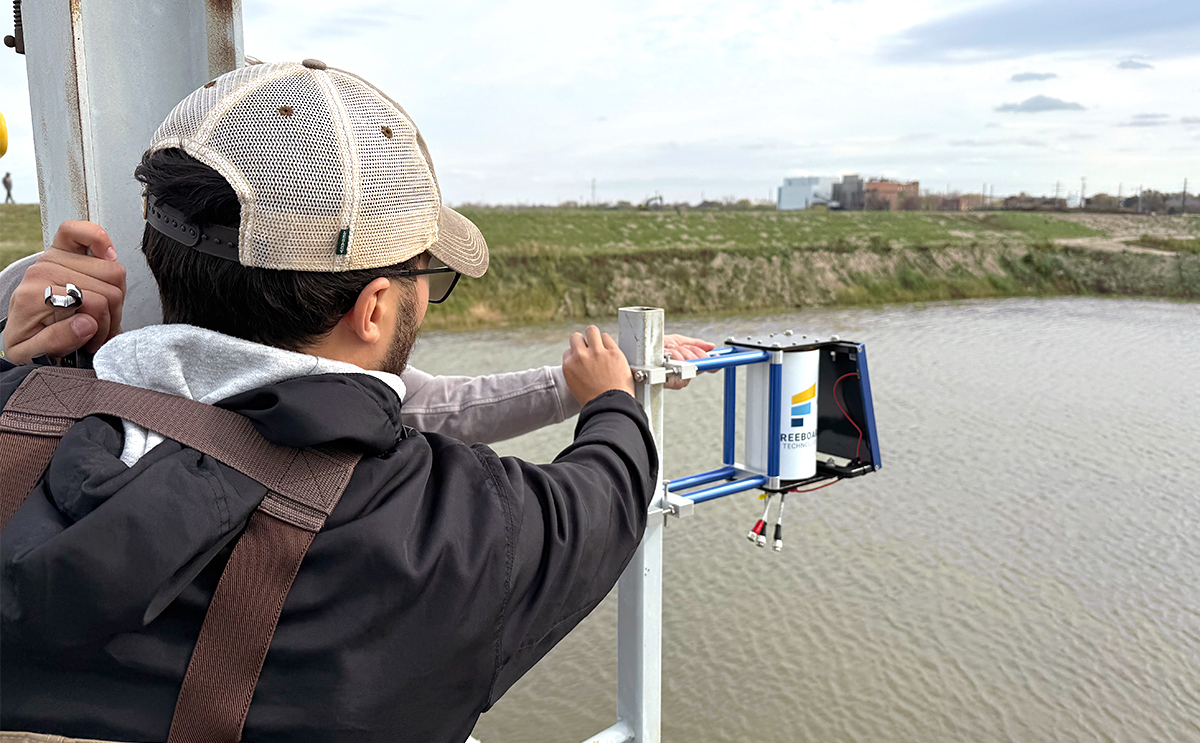
Taking a "two is better than one" approach to brainstorming has paid off for the seven student participants by allowing them to see how interdisciplinary approaches to strategic thinking and problem-solving can yield better results through the melding of diverse vantage points.
Also beneficial to the process was the faculty mentoring of Dusek, Trierweiler and Dr. Jonathon Fagert, BW assistant professor of engineering, who all played an essential role in the project.
For engineering senior Jaeden Roman of Grafton, Ohio, the yearlong initiative allowed him to synthesize and build on what he learned in previous coursework.
"Working closely with the faculty enabled me to approach engineering challenges with guidance from experienced mentors who allowed us to problem-solve creatively and grow professionally," he remarked.
"Collaborating across disciplines helped us develop various testing procedures and brought a different perspective to our work. These experiences not only have strengthened my technical skills but have bettered my communication with various individuals from different backgrounds," Roman went on to say.
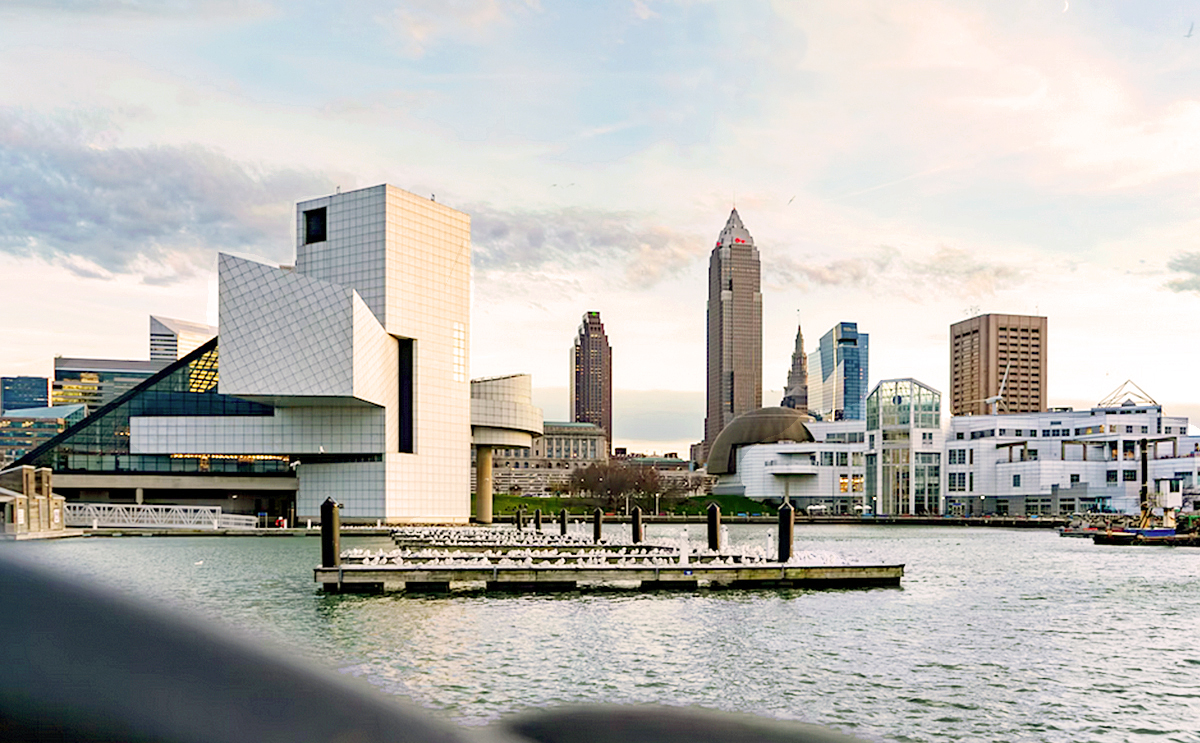
Supporting the work of the Port of Cleveland is important to Northeast Ohio for several reasons. As noted by Ingalls, the Port's discharge has an immediate effect on the water quality of Lake Erie, which is an important freshwater resource.
The findings of this project, she believes, can keep the Port in regulatory compliance, ensuring that this vital water supply for millions of area residents and its regional ecosystems remains available and unpolluted.
She went on to say that shipping is an economic driver for the region. BW's research can help the Port and its partners continue to operate efficiently and in compliance with regulatory requirements.
On a community level, Ingalls articulated the need for people to have transparency in how industrial activities affect their water.
"Our project provides scientific data that can be used to ensure the port is responsible and transparent, as well as demonstrate how industry and environmental sustainability can work hand in hand," she emphasized.
This BW project was generously supported by the Ohio Sea Grant Small Grants Program, with Dusek and Fagert as principal investigators.